
Falkland Street Passive House Retrofit
Nova Scotia’s First Passive House Retrofit (EnerPHit) Project
Passive House is a high-performance building standard that strives for the highest quality buildings possible in terms of energy efficiency, economics and comfort and health. It is considered the world’s leading energy efficiency standard. The Passive House Institute’s EnerPHit standard is a variation on Passive House adapted for renovations.
Achieving our city’s target of net-zero emissions by 2050 relies, in part, on retrofitting 5,000 buildings per year from 2021 to 2040 (HalifACT: Acting on Climate Together: 2020-21 Annual Report, 2020, p.13).
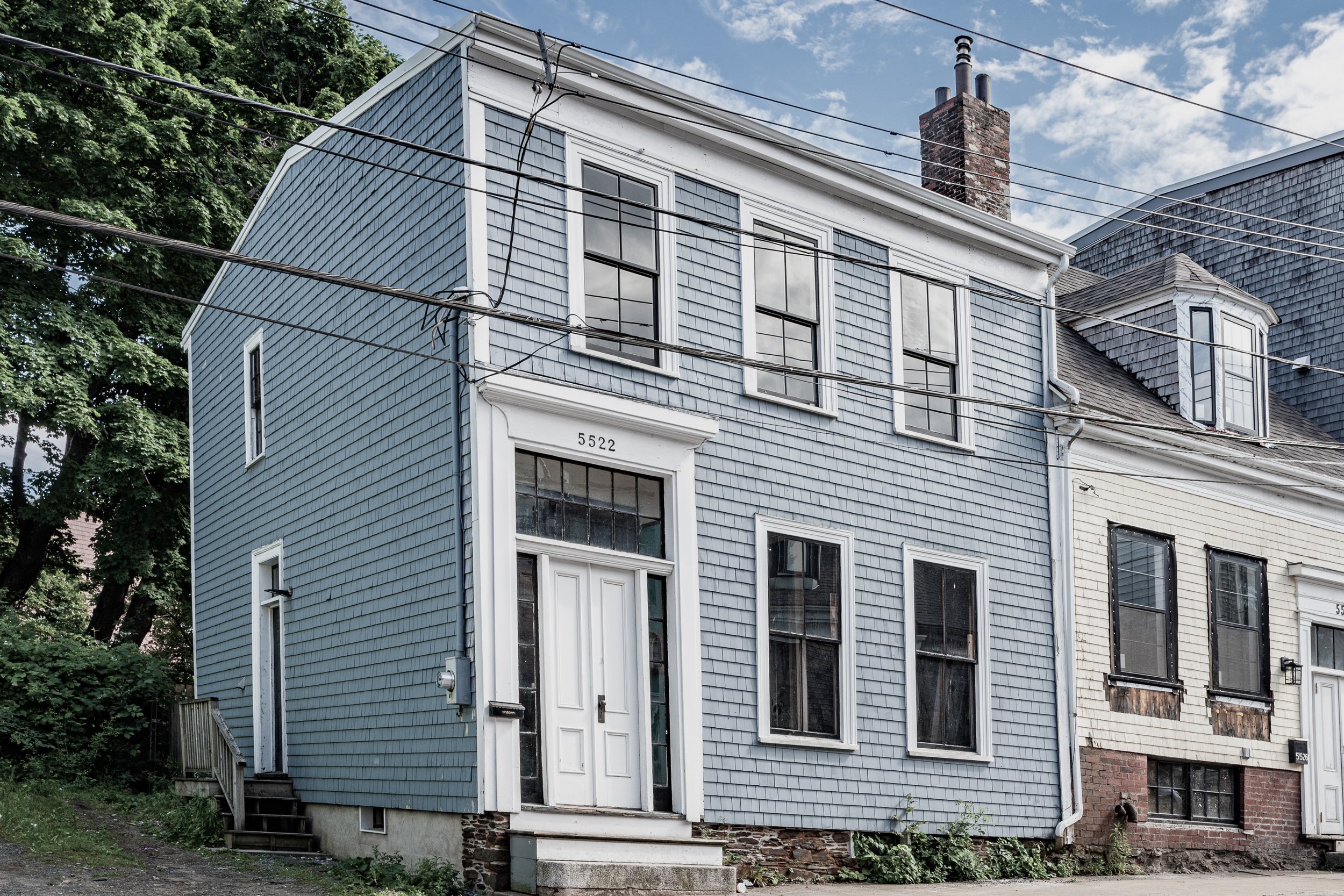
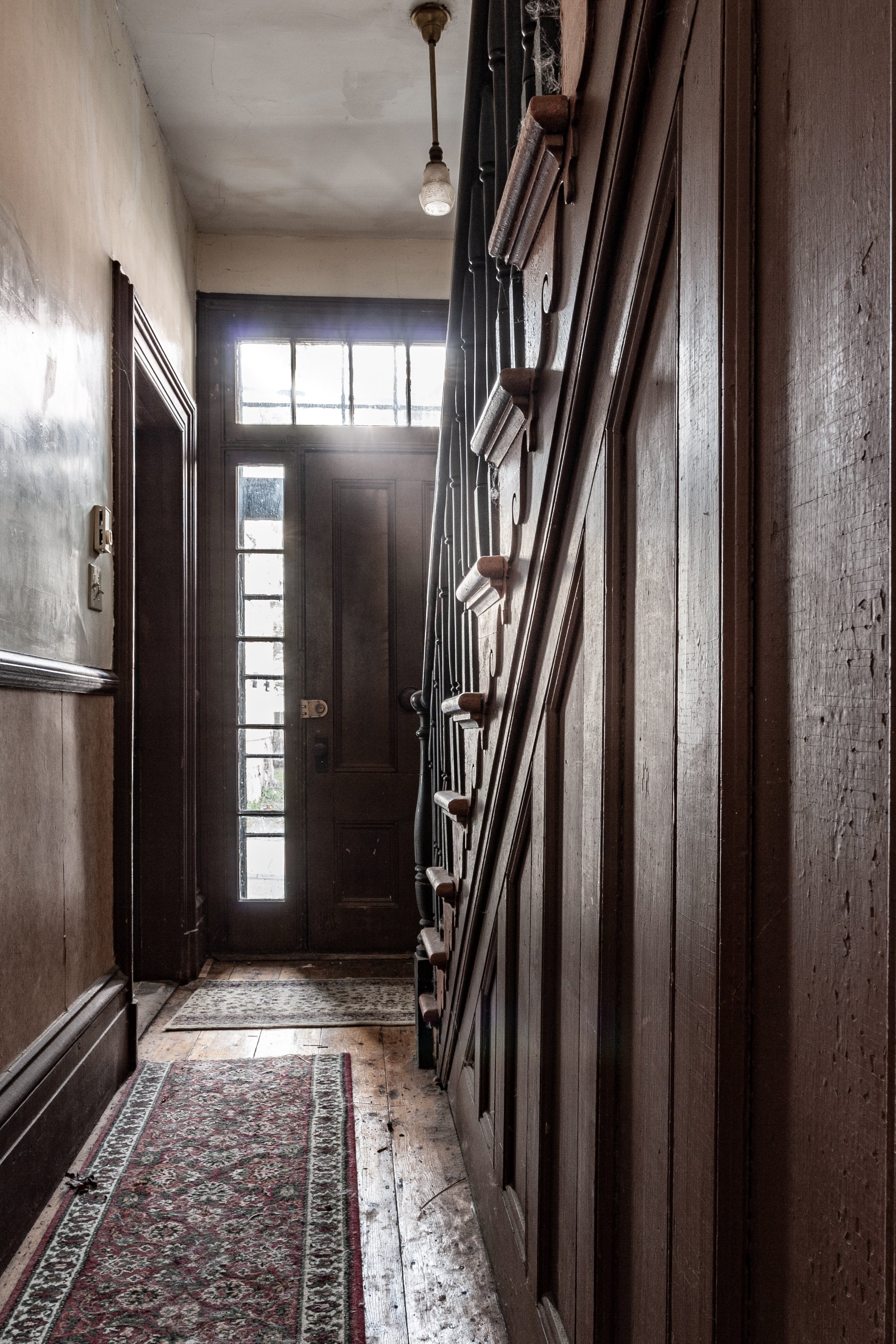
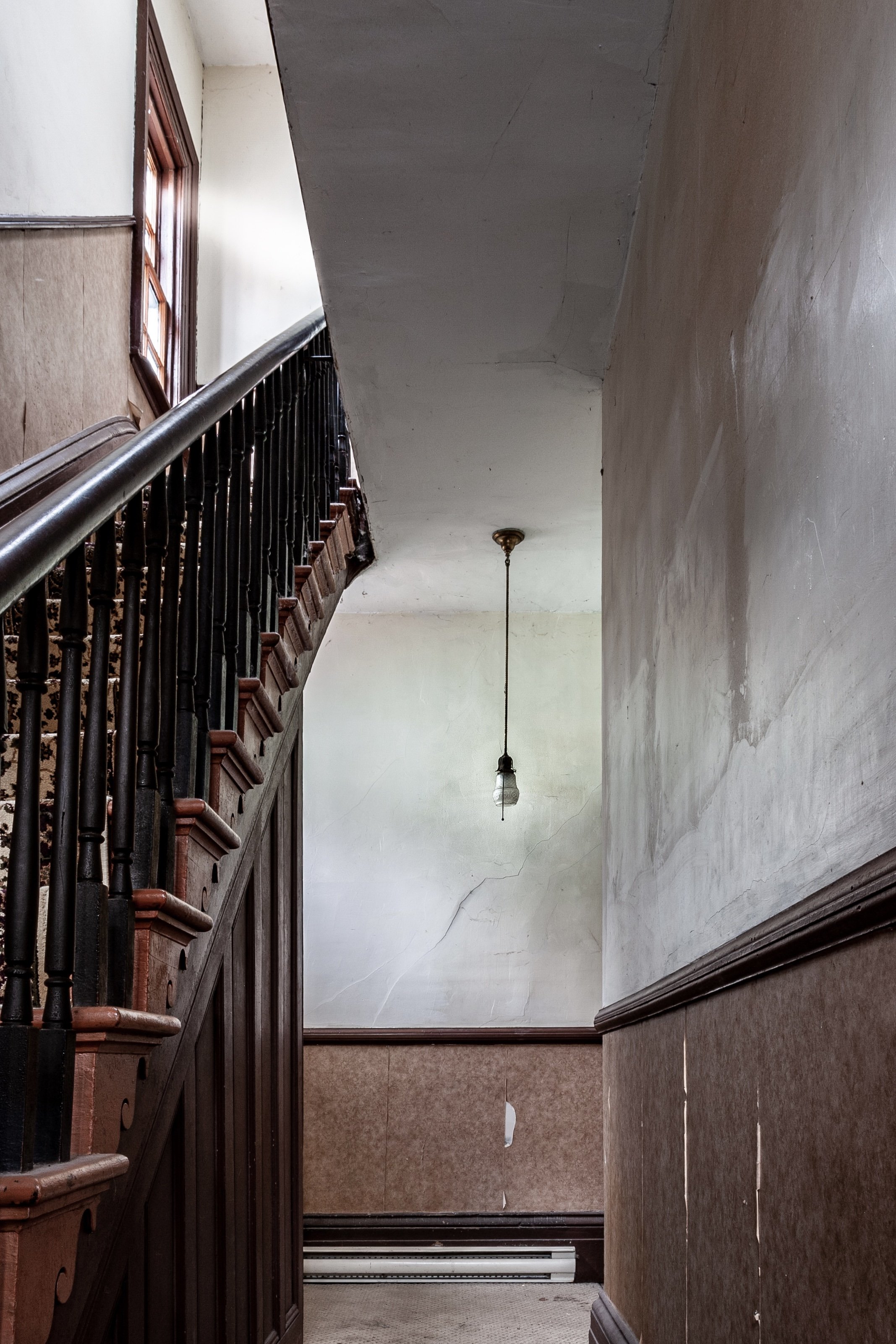
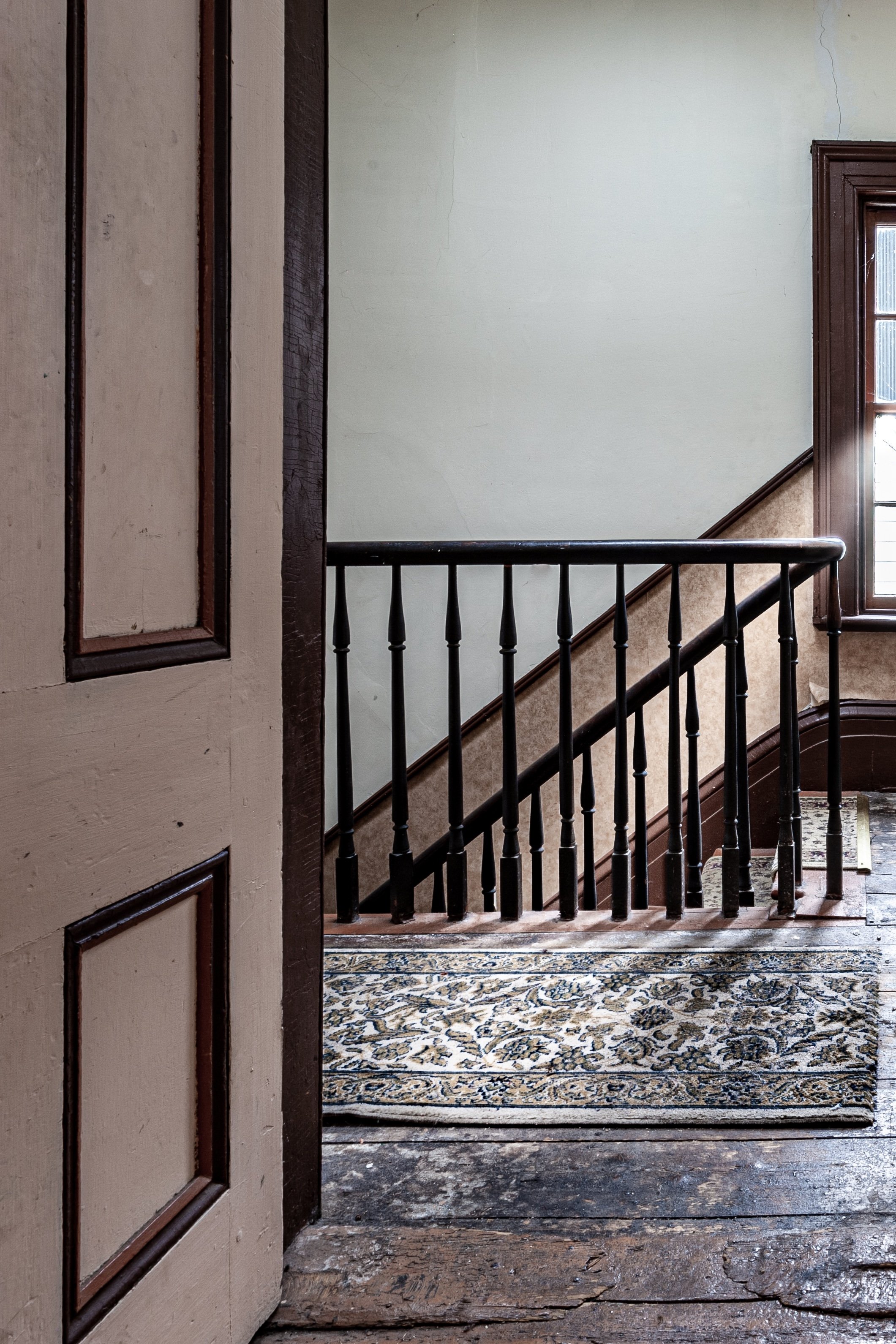
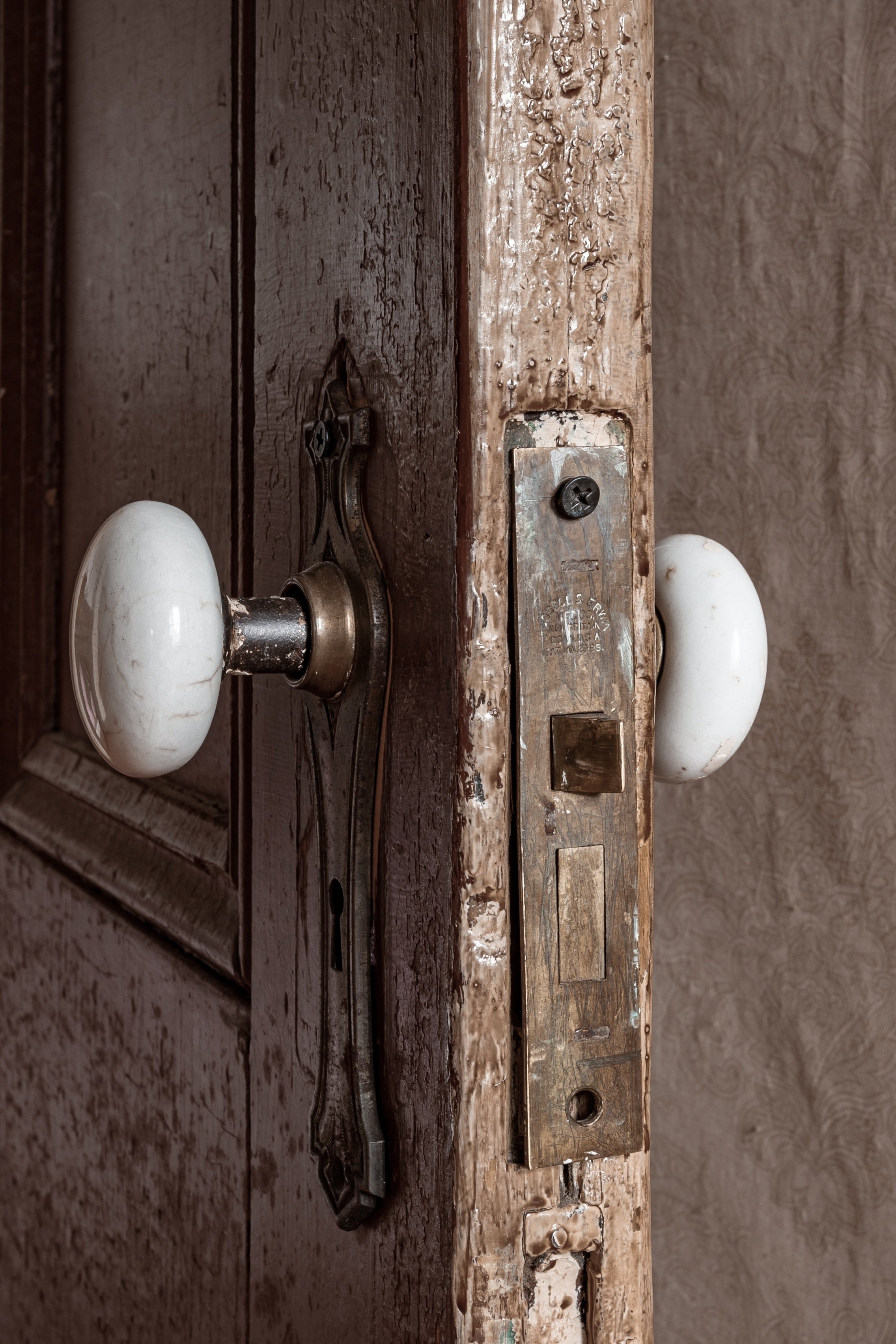
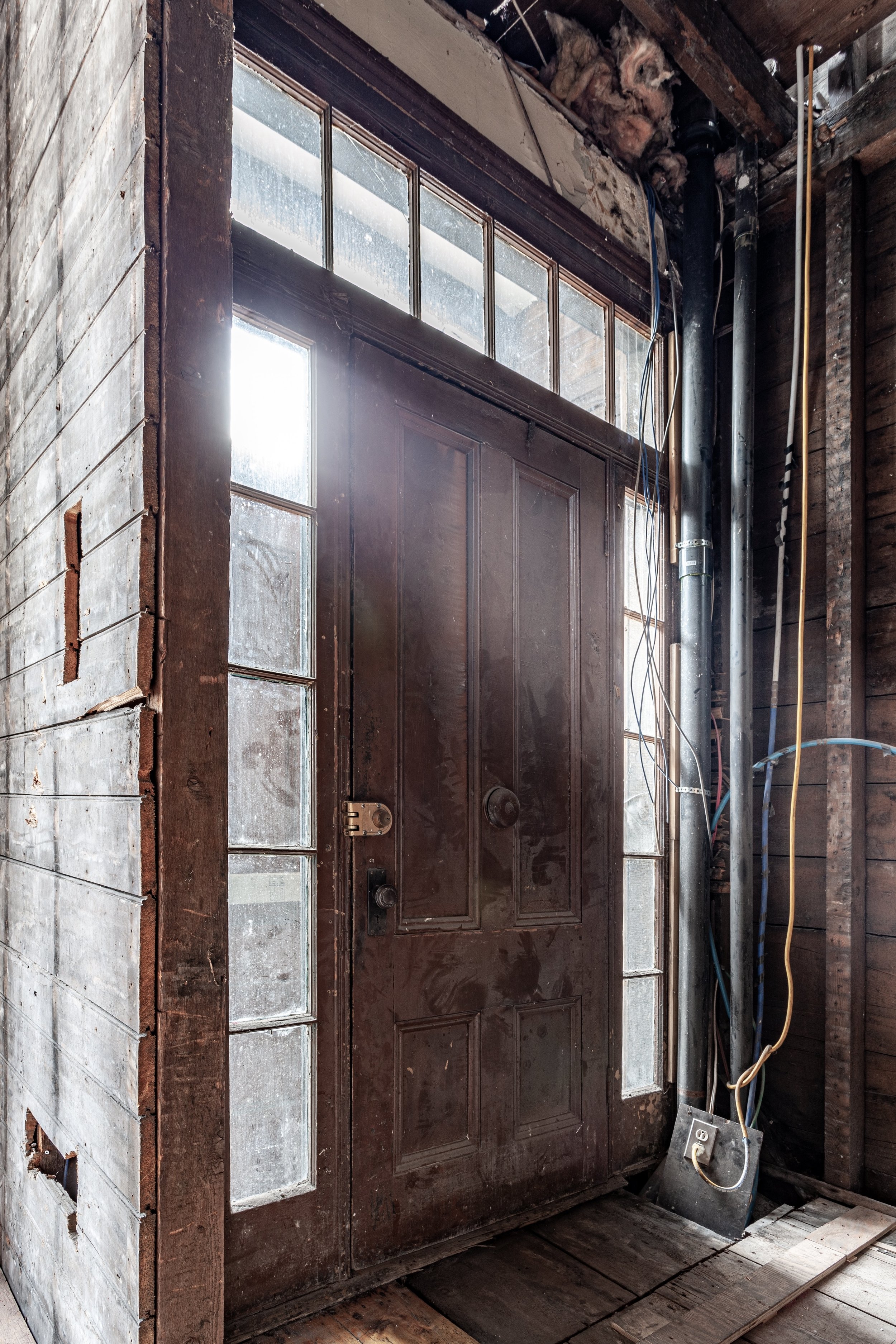
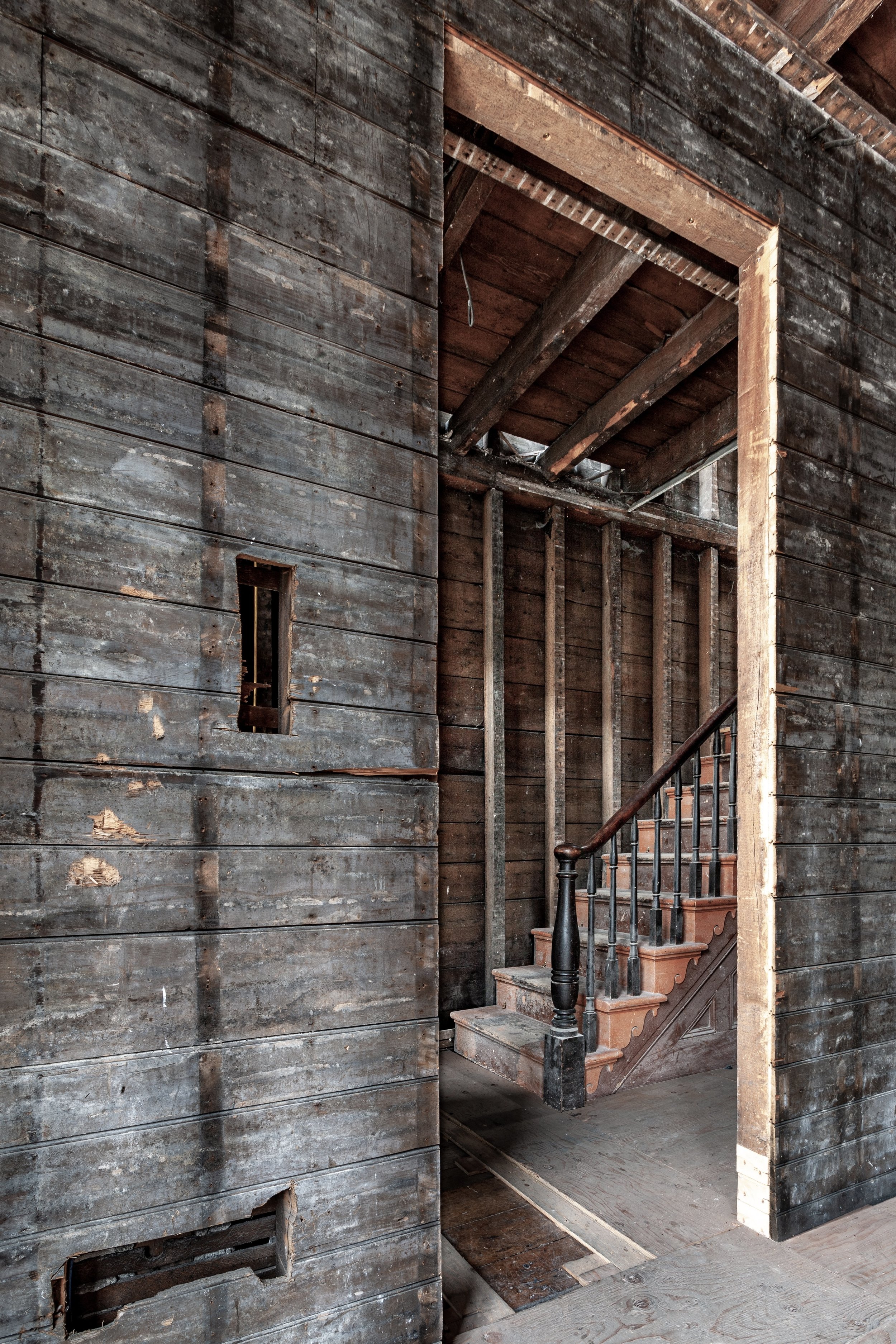
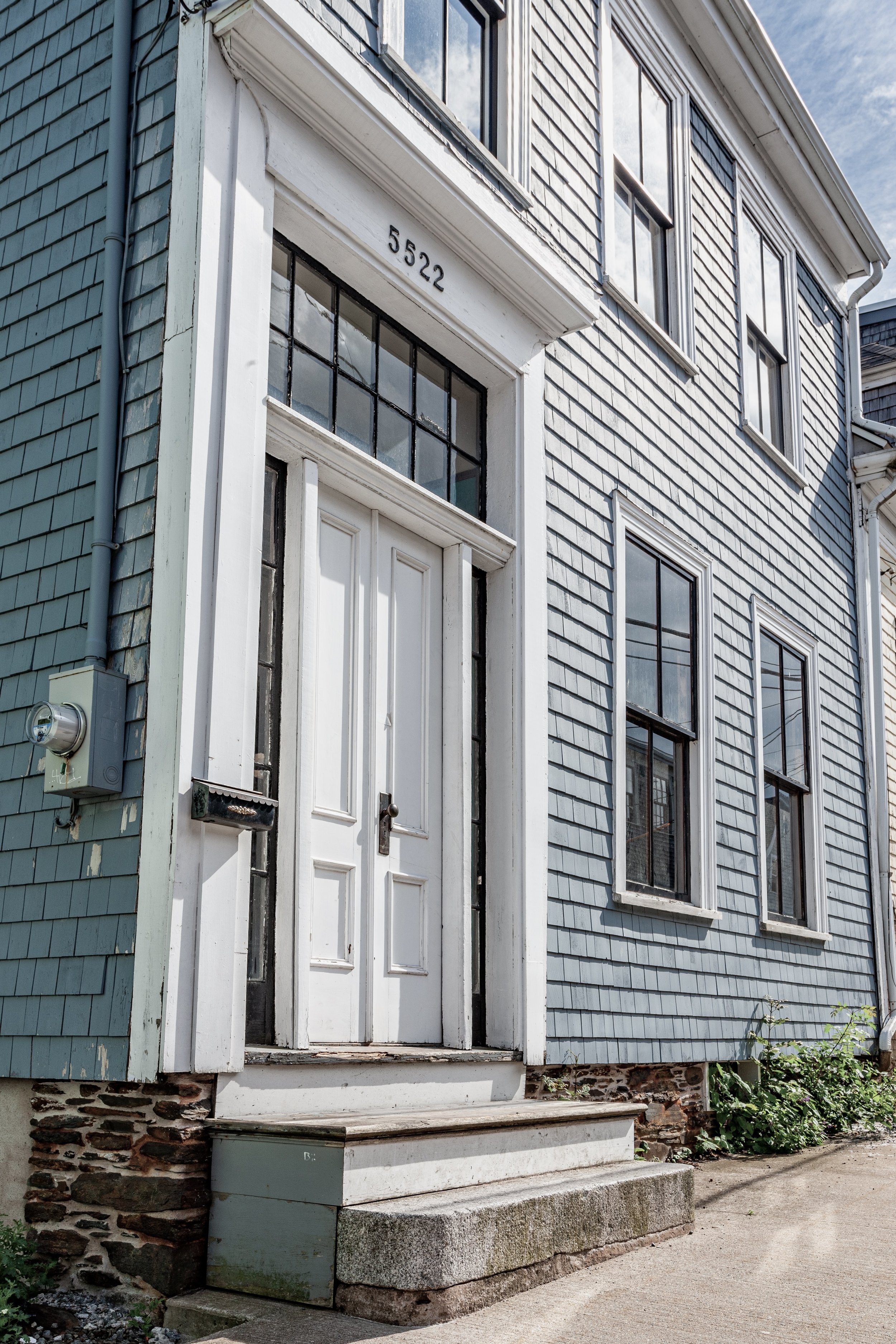
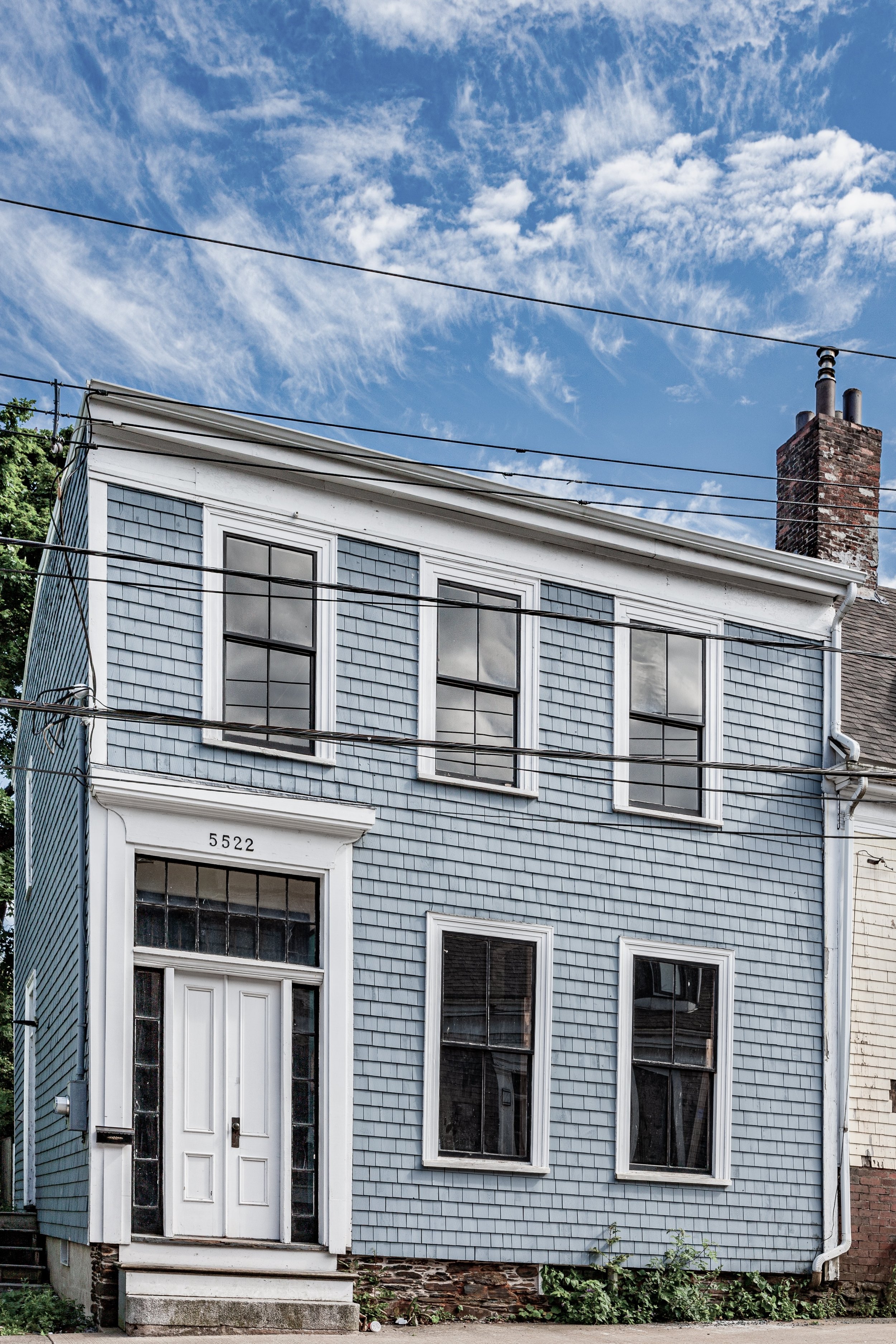
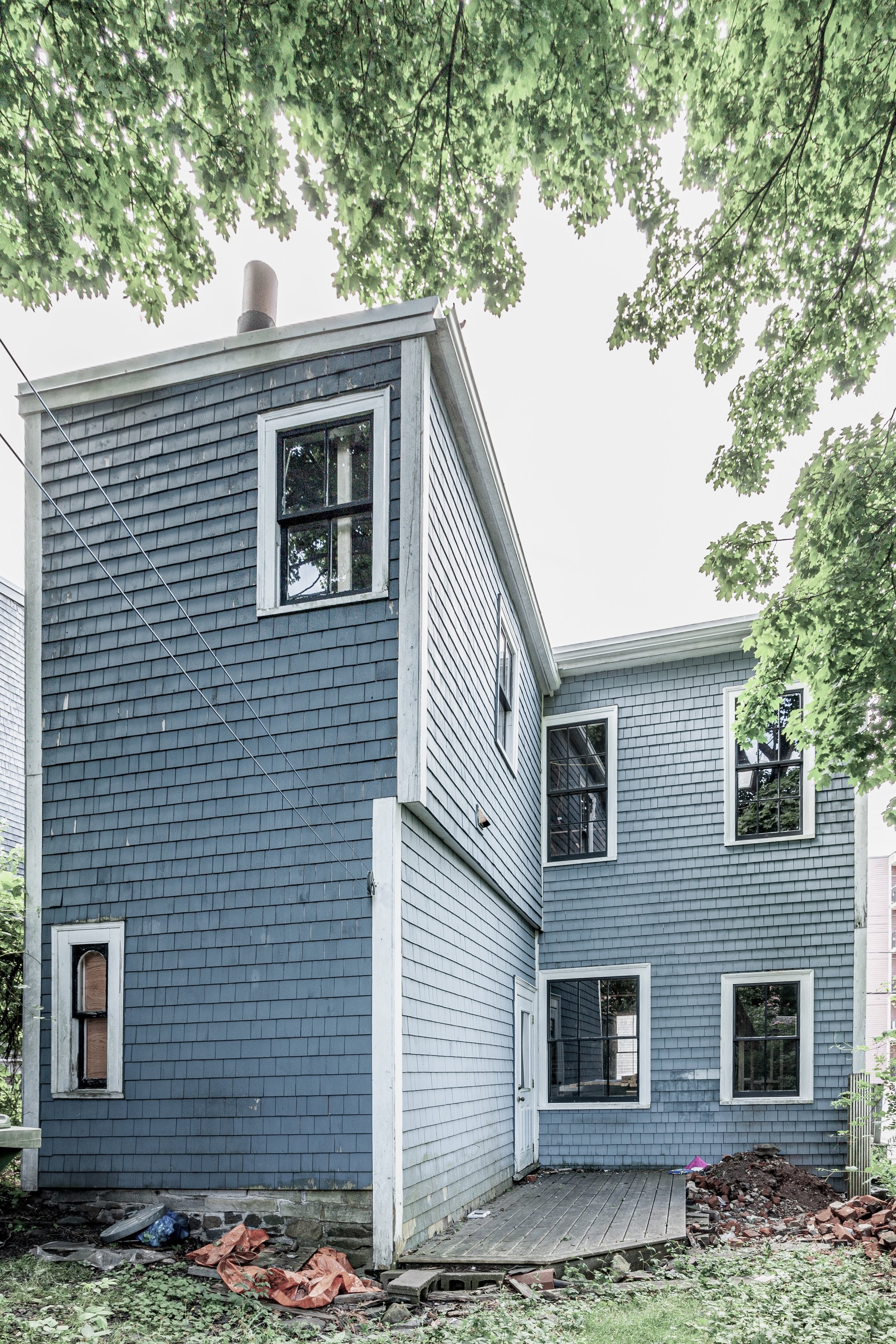
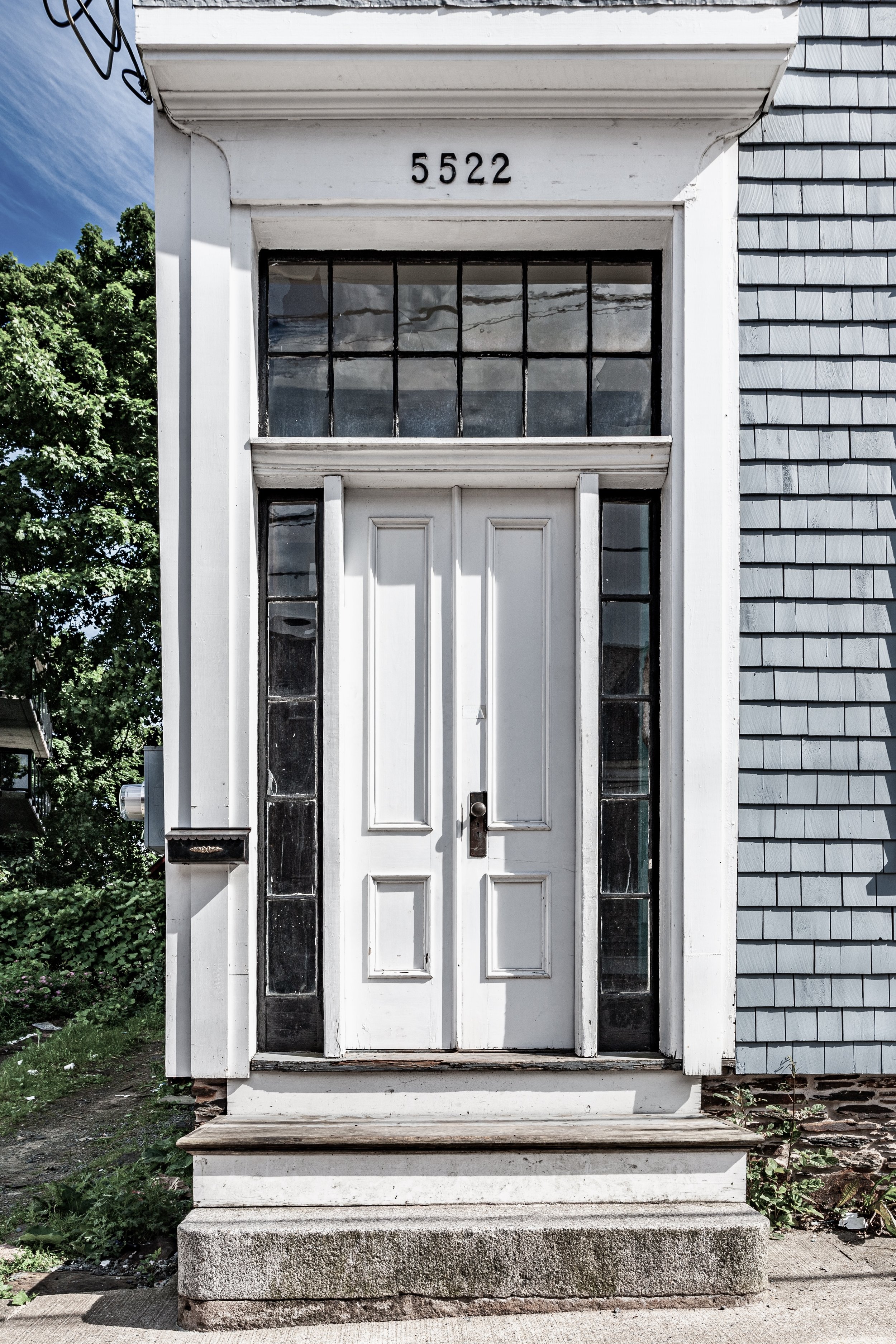
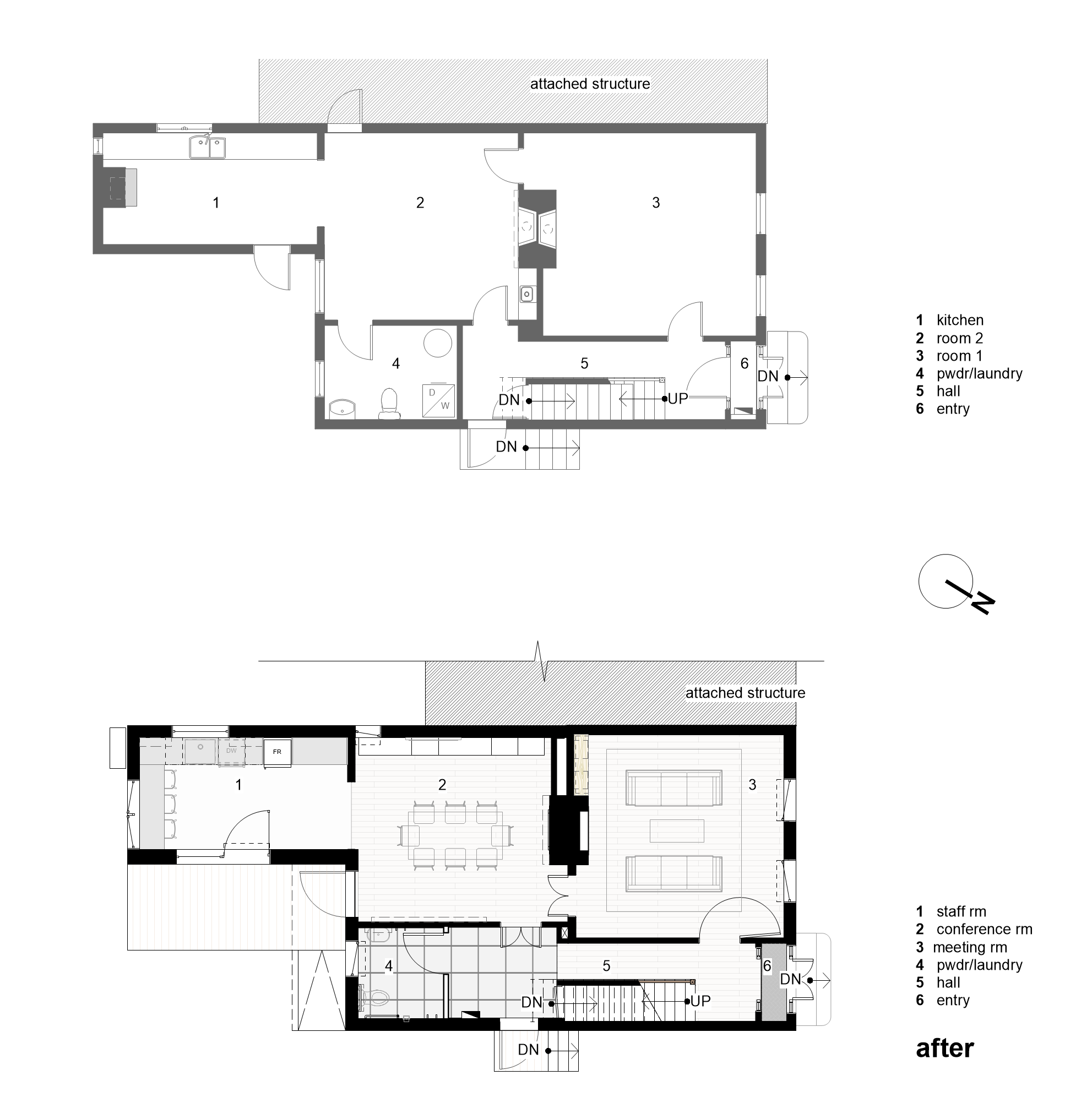
The Falkland Street Retrofit Project involves the conversion of a two-storey 1850s home at 5522 Falkland Street into office space for the Habit Studio team. This demonstration project was made possible in part thanks to the support of our strategic partner, Efficiency One. Read their report on Deep Energy Retrofits in Nova Scotia to learn more about their work in this area.
Main Floor
Second Floor
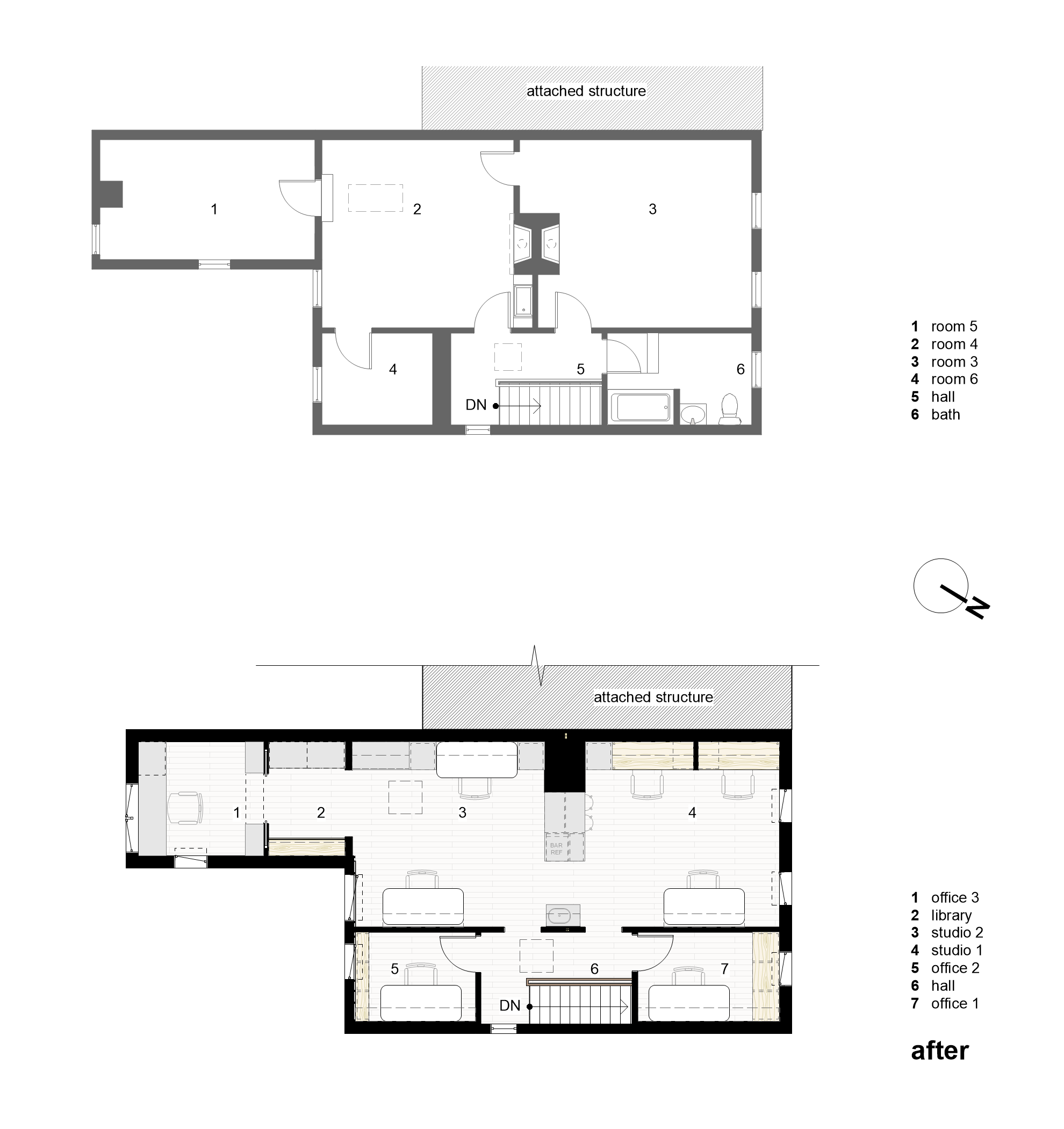
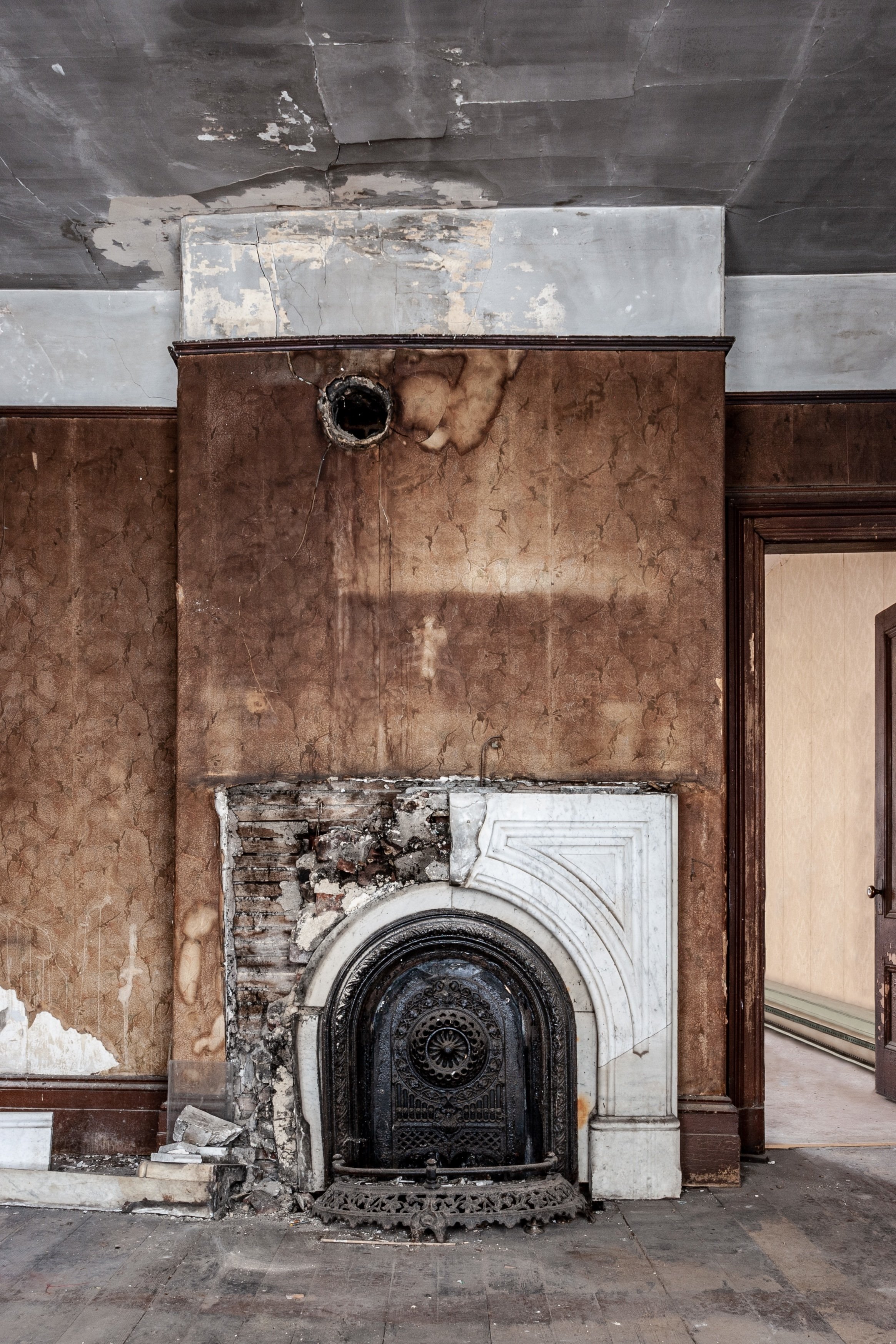
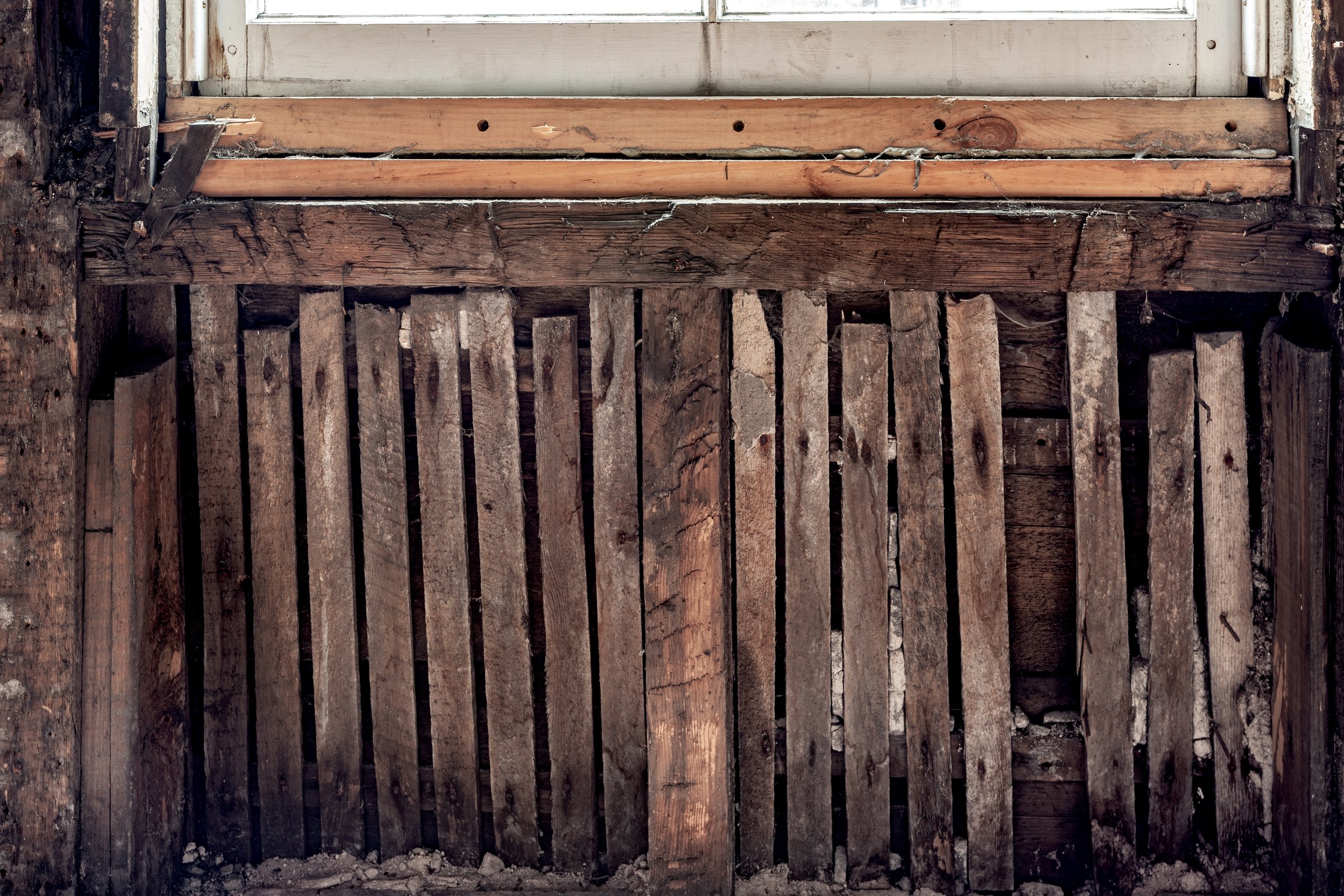
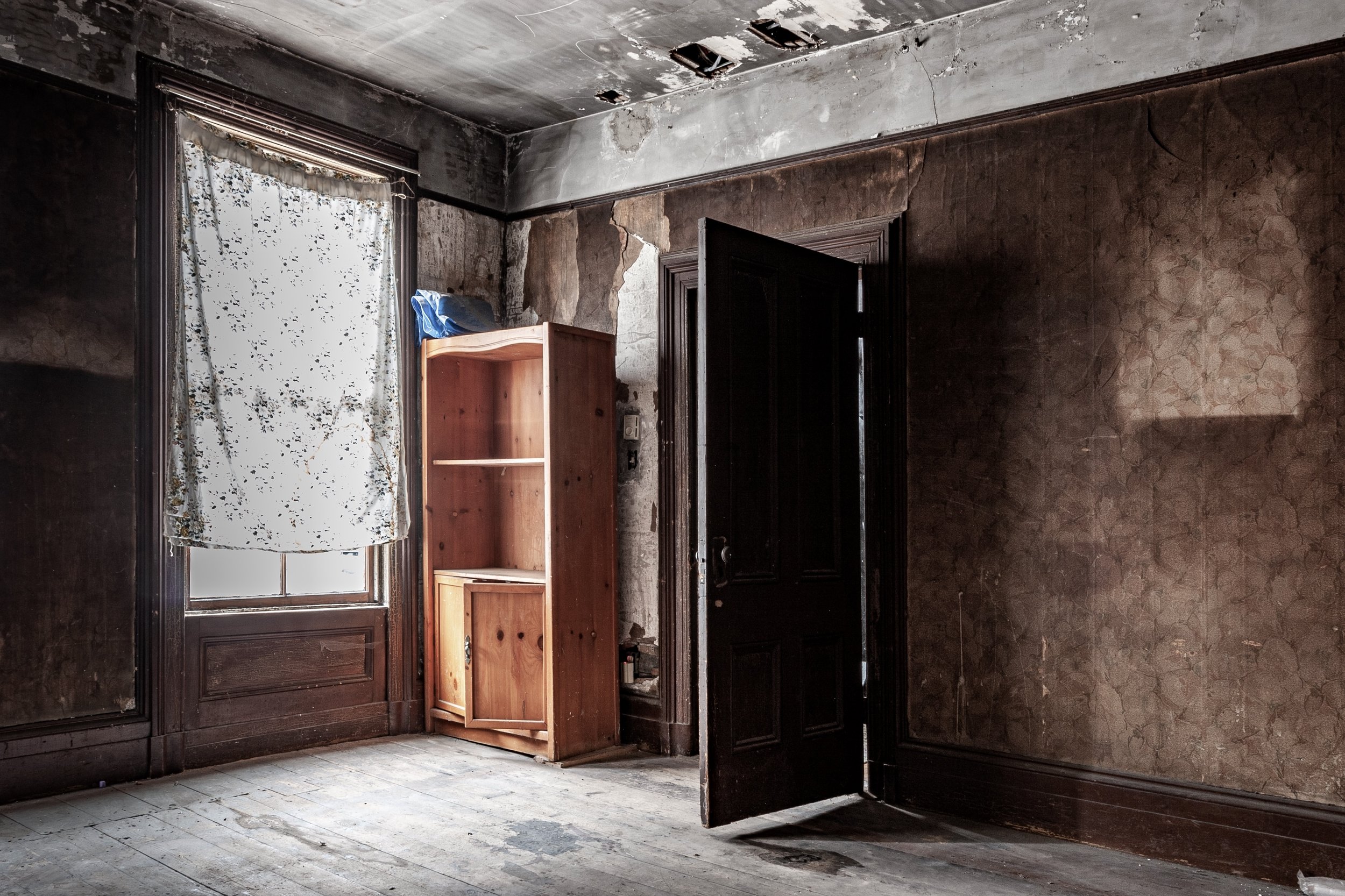
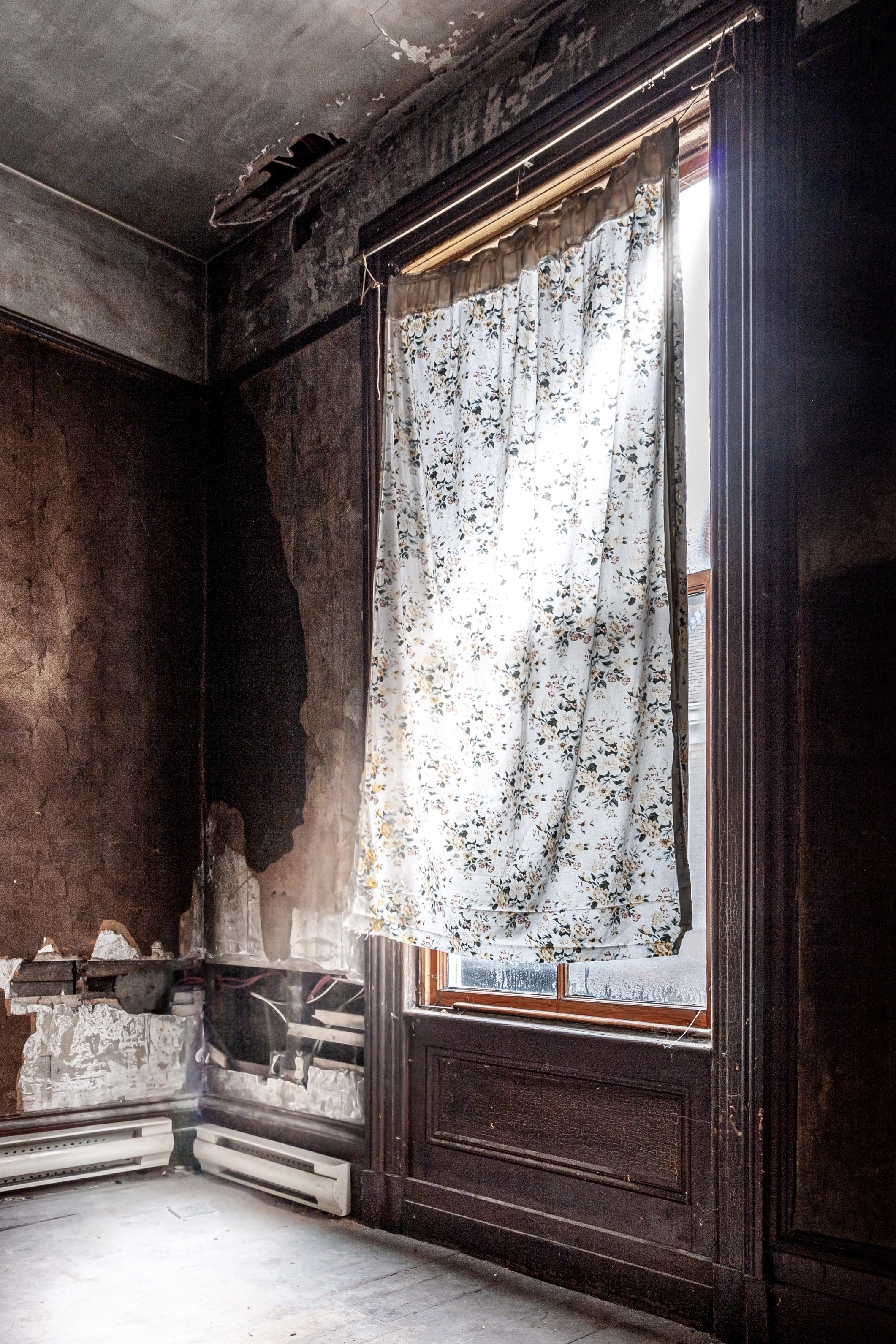
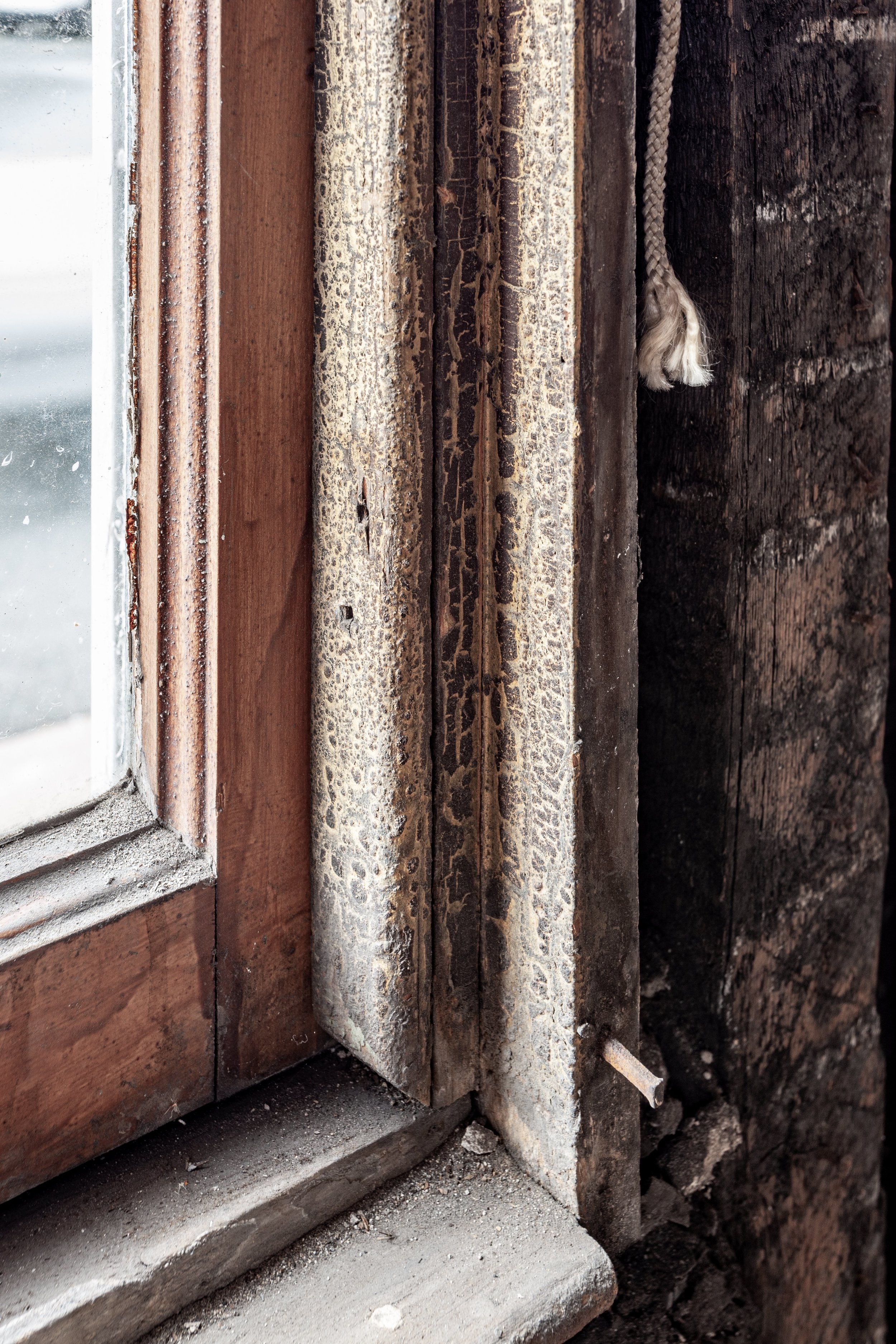
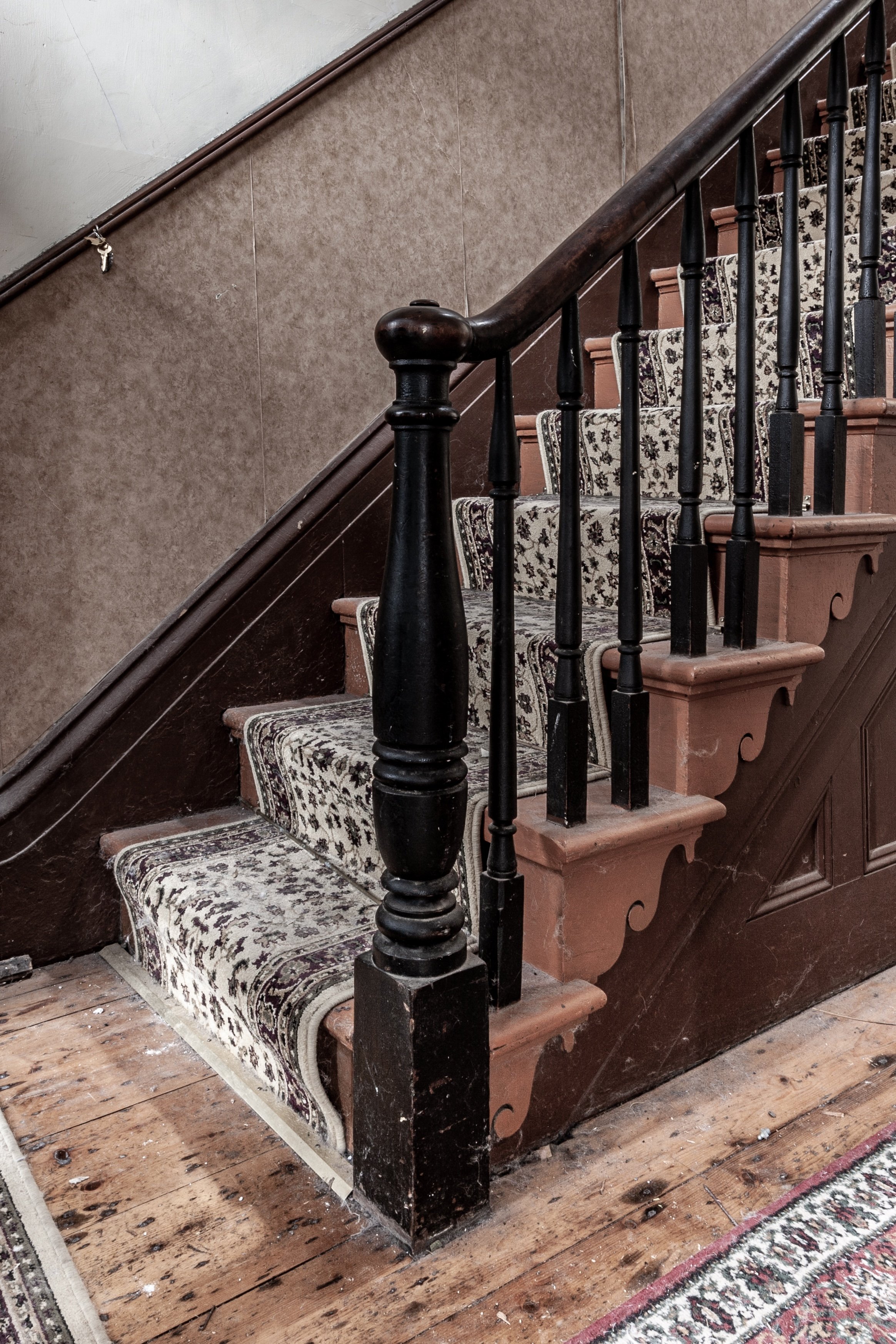
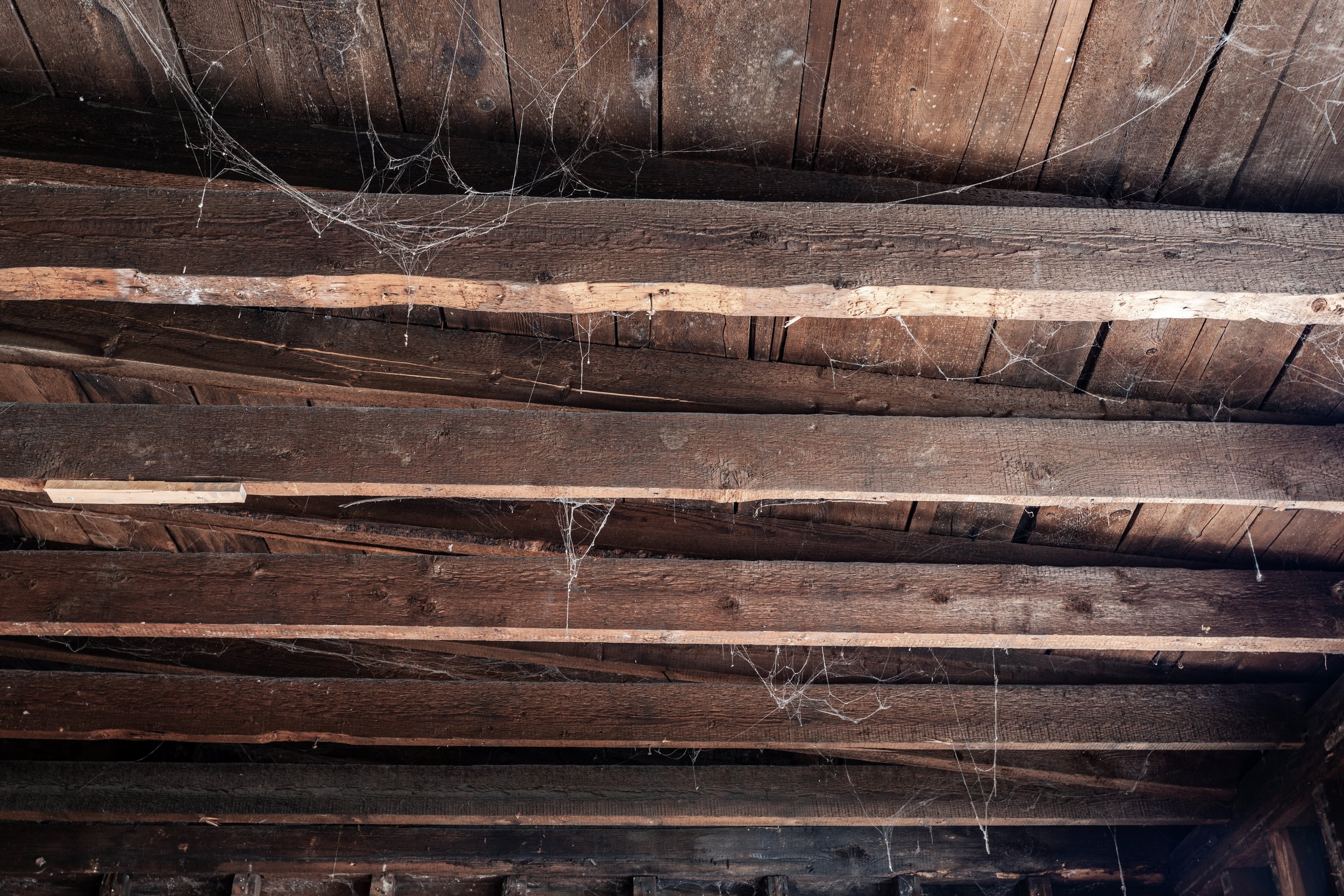
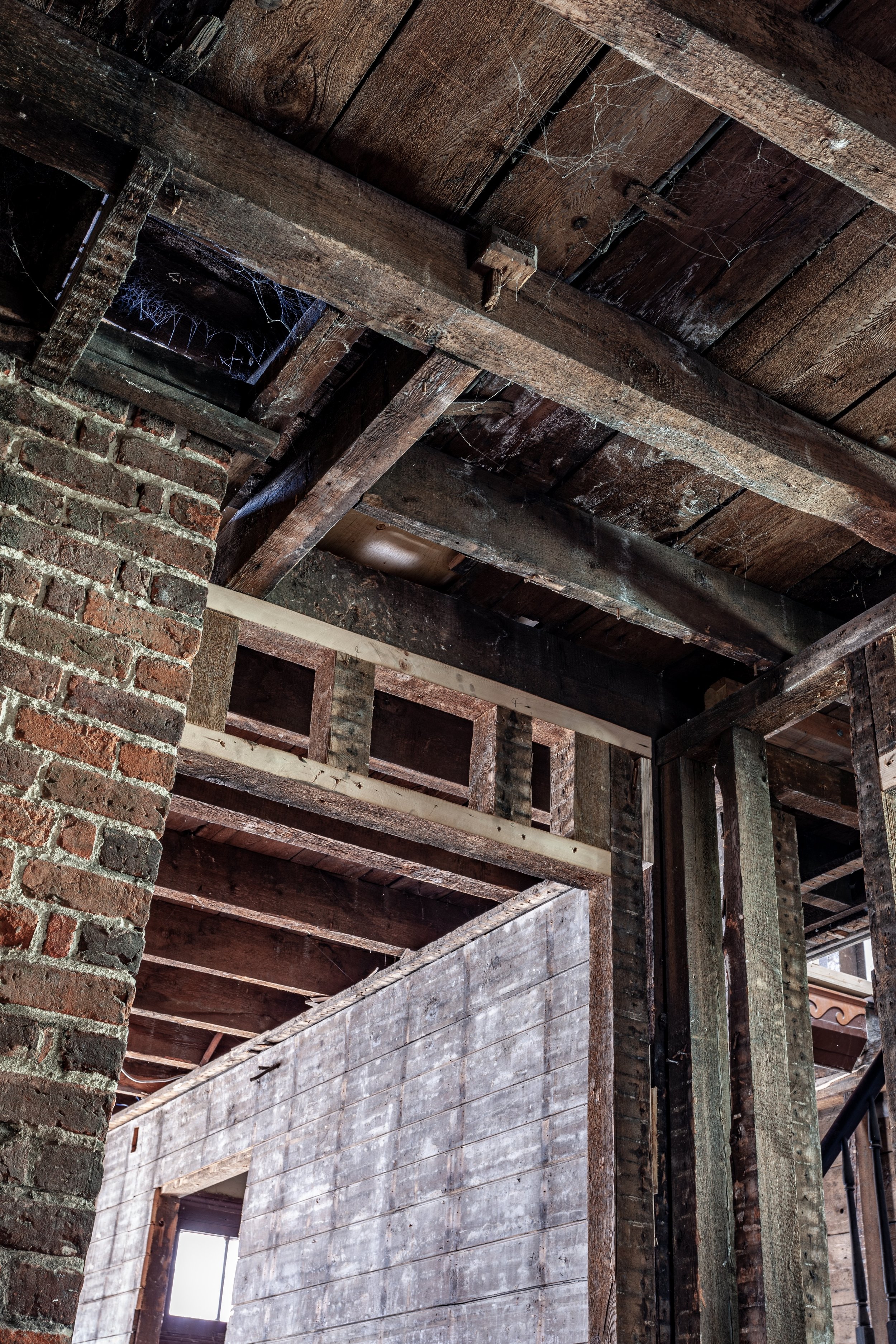
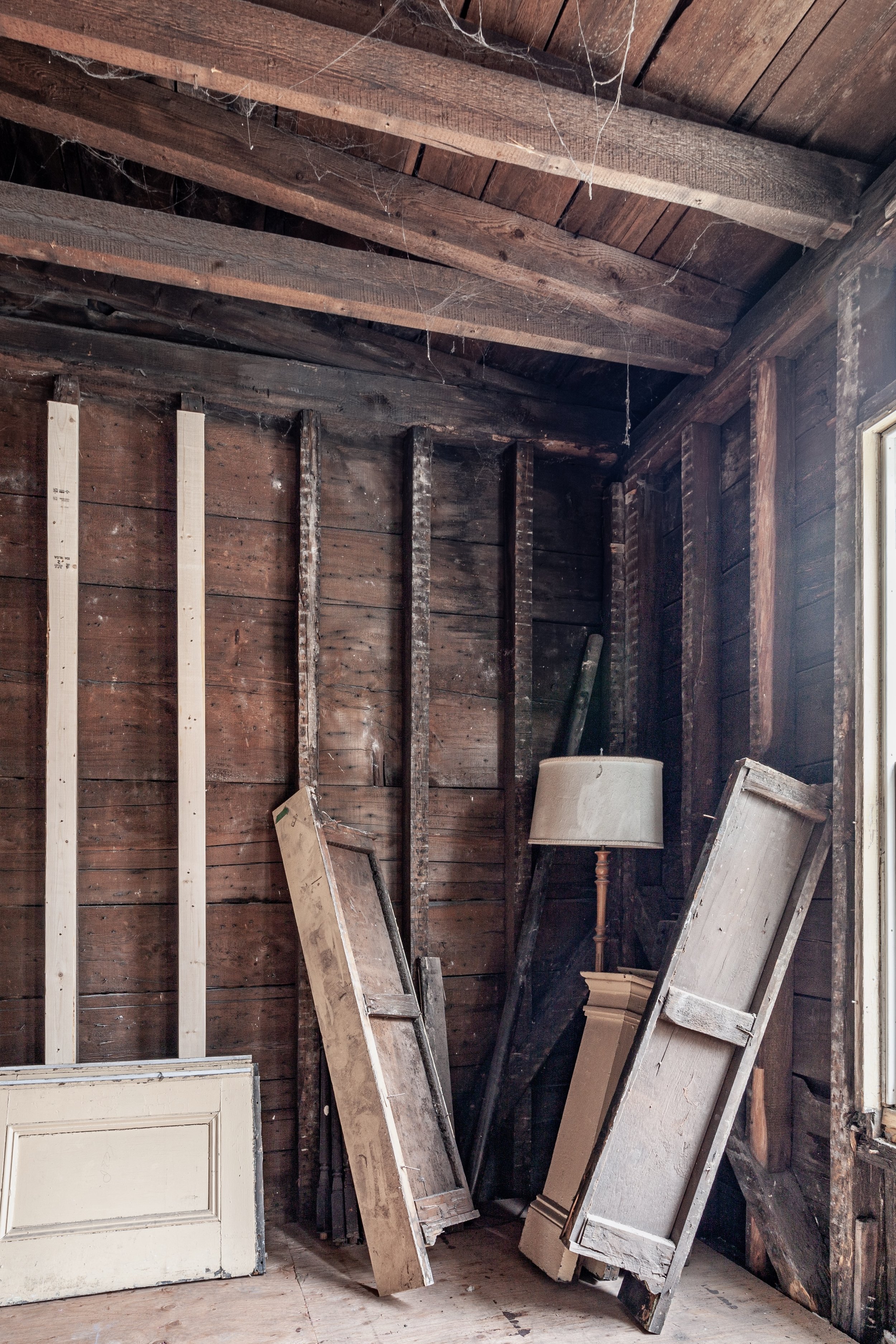
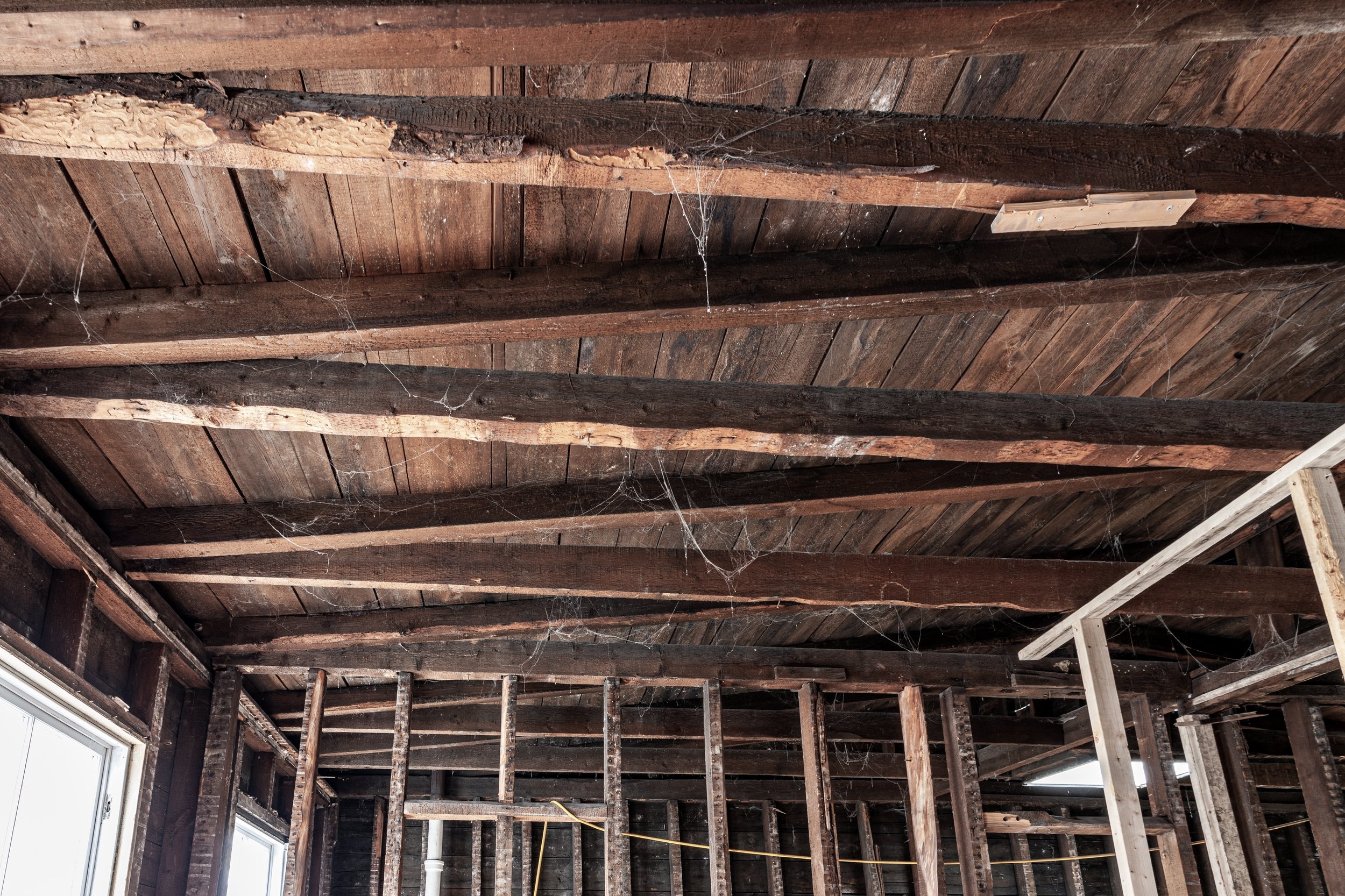
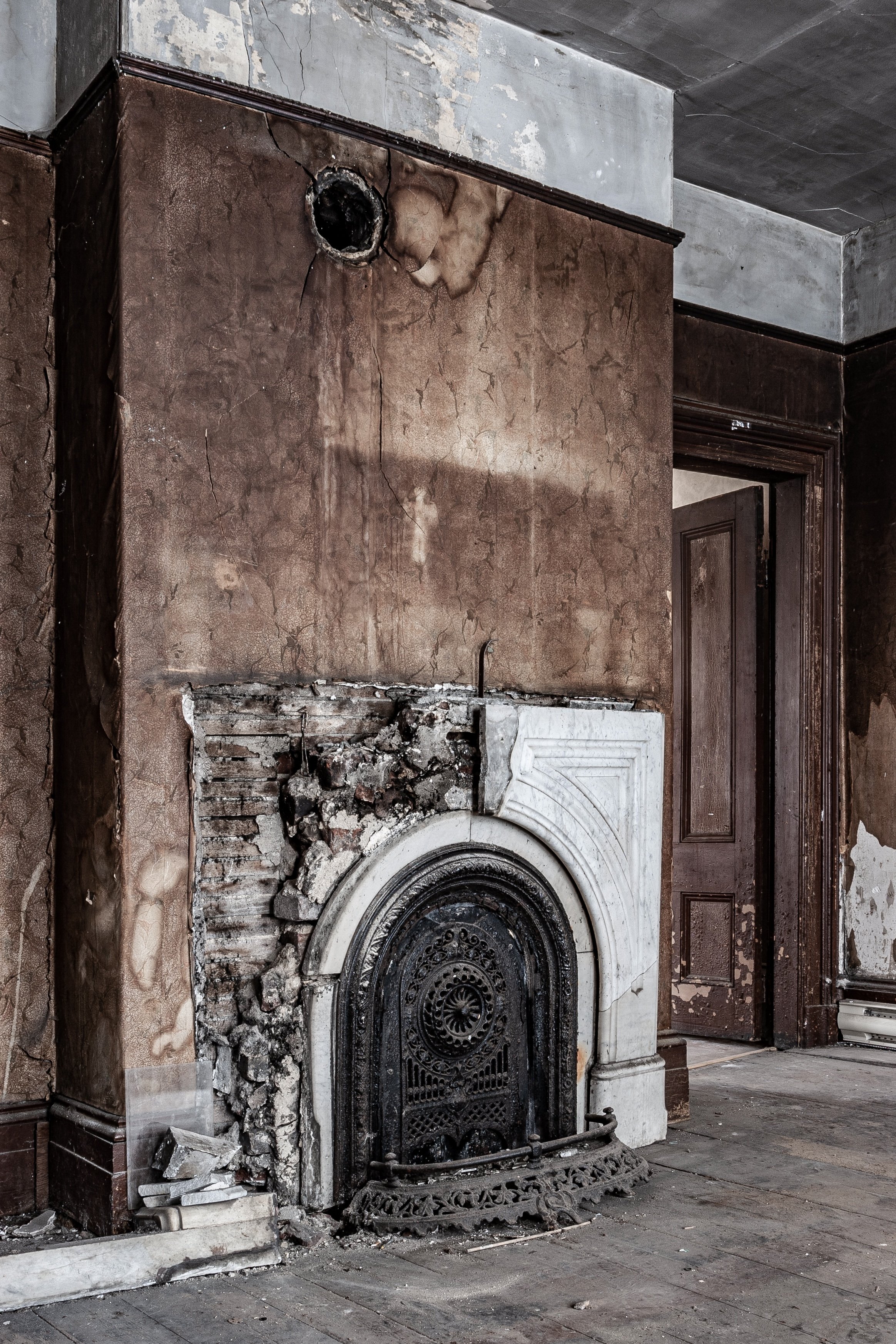
Existing Structure
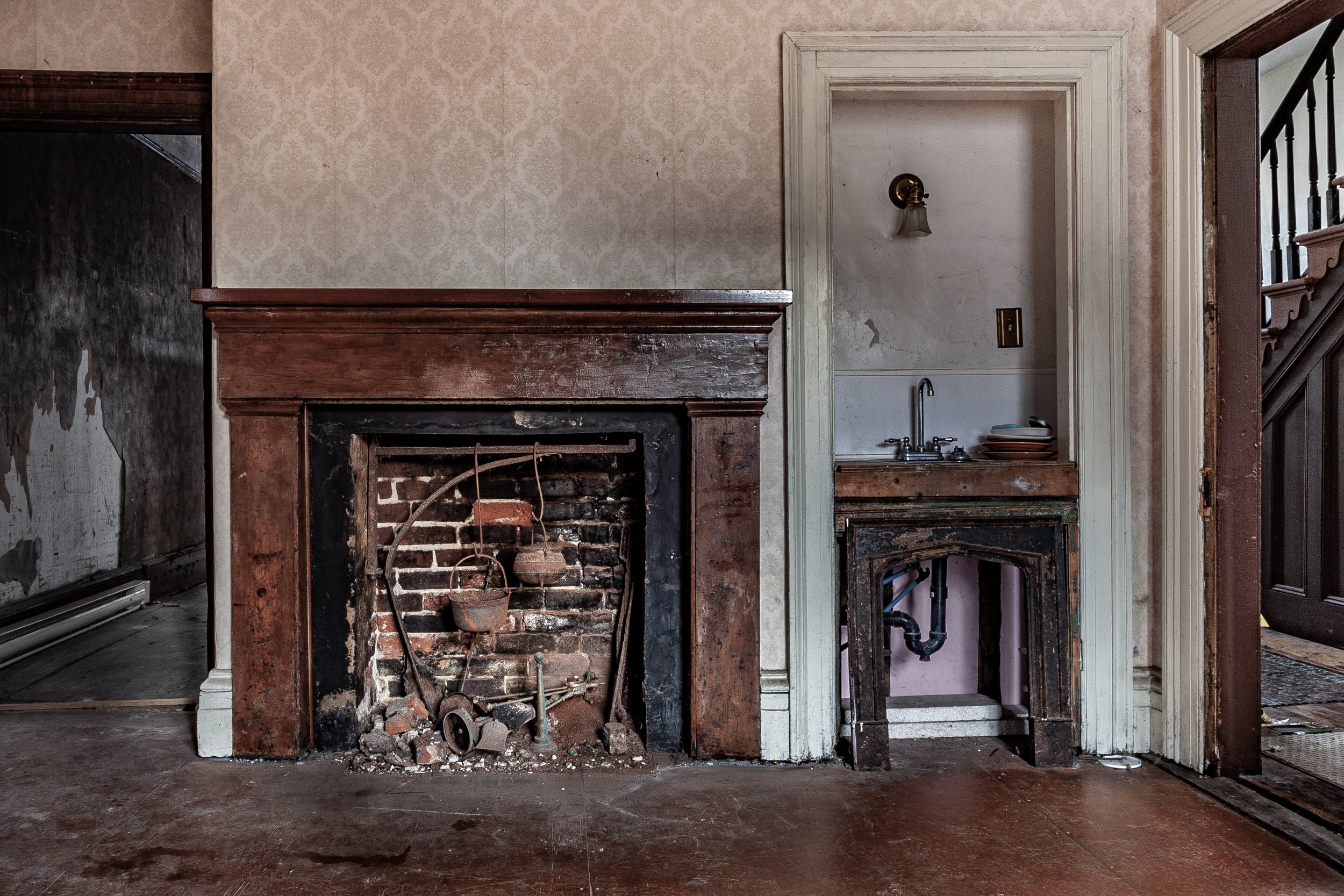
1850s house
1800 ft2 (plus 600 ft2 stone cellar)
timber frame structure
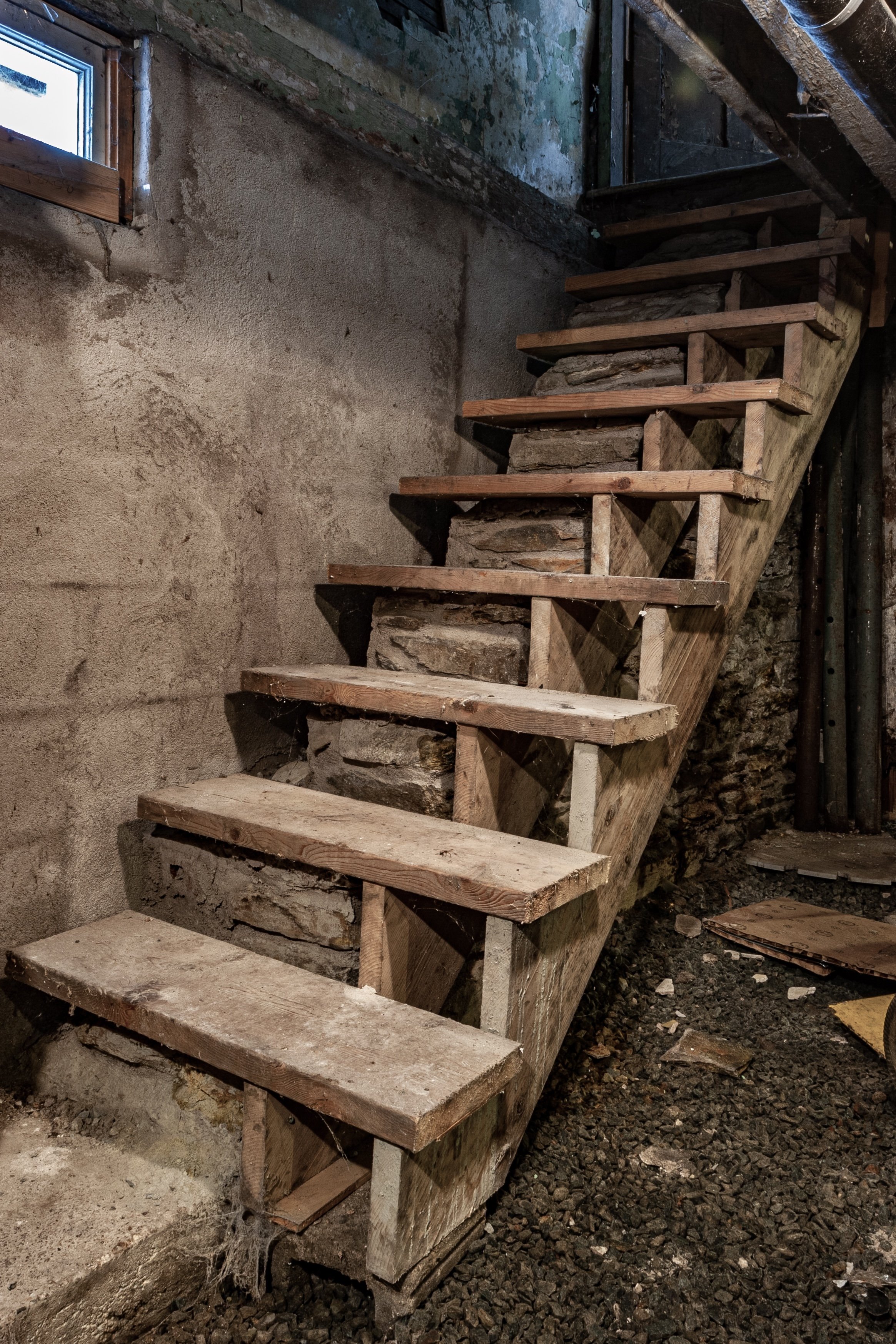
fieldstone foundation
uninsulated
single-pane wood windows
party wall
air leakage at 24 air changes per hour (ACH)
energy consumption of 352 GJ/year
heating demand 641 kWh/m2.yr
total energy demand 924 kWh/m2.yr
rated GHG emissions of 72.4 kgCO2e per year
existing embodied carbon of ~25,000 kgCO2e

Post Retrofit
effective R values: walls R-24, roof R-65, floors R-24
Vetta E-92 triple-pane passive house windows
2-ton Carrier heat pump for heating and cooling
Alnor SlimAIR ERV
3.5 air change per hour (ACH)*
heating demand 78 kWh/m2.yr (56 kWh/m2.yr target)
total energy demand 135 kWh/m2.yr (93 kWh/m2.yr target)
net embodied carbon estimated at 9,701 kgCO2e
*The airtightness target of 1 ACH has not yet been achieved, however air leakage has been reduced by 85% to date with work towards further reductions planned in 2026.
heating energy savings were reduced by 92%
total energy use were reduced by 87%
GHG emissions were reduced by 88% per year
Total Cost of Building Ownership
The Total Cost of Building Ownership (TCBO) includes the cost of significant expenses, such as utilities, carbon tax, property tax, maintenance, maintenance capital, insurance and interest, over the remaining useful life of the building, typically 60 years.
A economic study, conducted by SEEFAR Building Analytics, examined the financial and energy aspects of the existing Falkland Street building, comparing a code-minimum retrofit, a Passive House retrofit, and a code-minimum new build.
The result? The Passive House retrofit undertaken at Falkland has a 60-year TCBO savings of $209K compared to a code-minimum retrofit, and $701K compared to a code-minimum new build (calculation not including grants received towards the project).
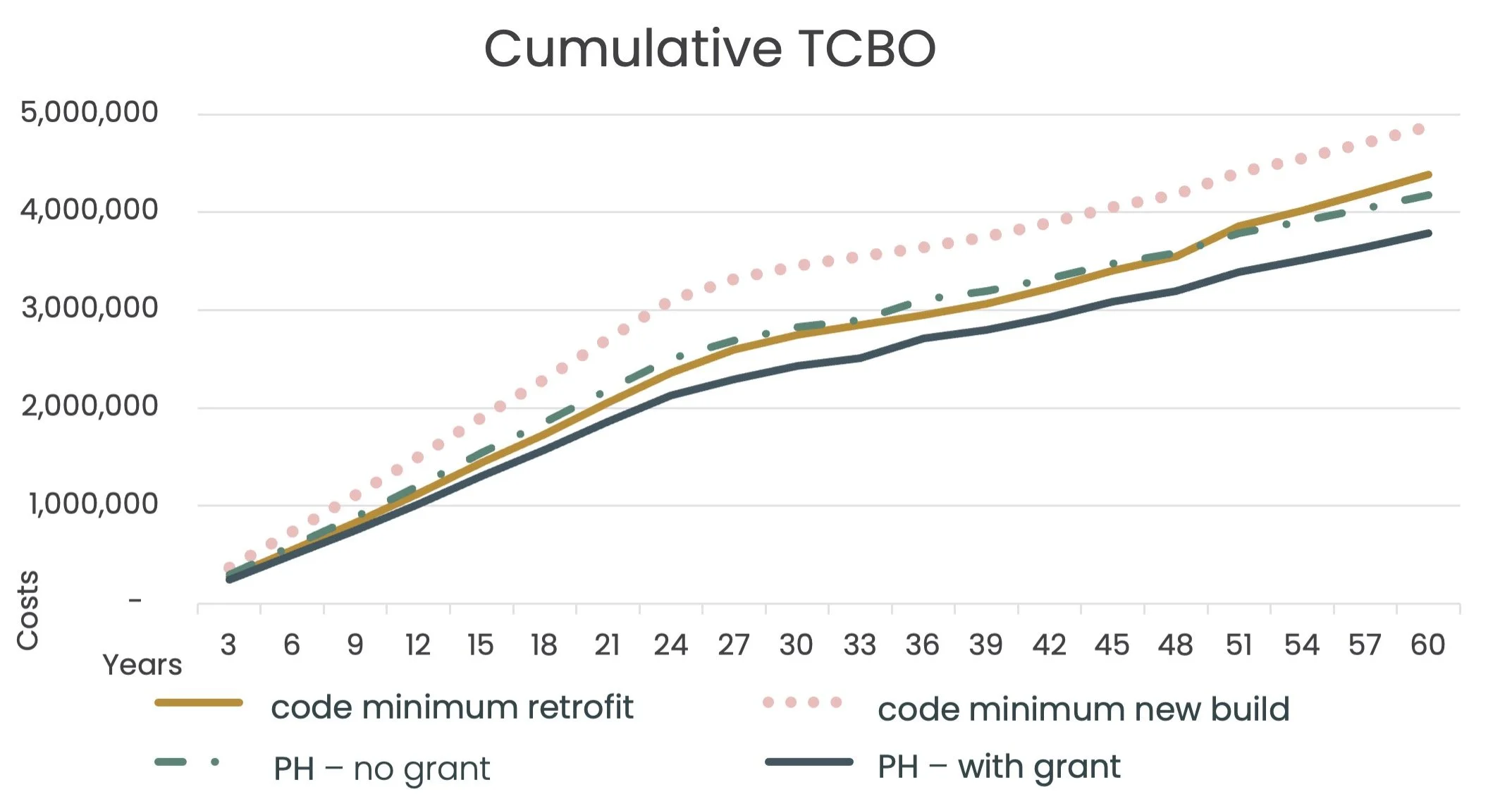
By SEEFAR Building Analytics
Habit’s New Home Video Series
In partnership with our sponsors, Habit Studio has launched a 5-part video series showcasing the design and construction processes, the innovative products used to bring this passive house retrofit project to life, and the experts behind these transformations.

From 1850 to Passive House: A Deep Retrofit Journey
Step inside the ultimate retrofit journey! We’ve transformed an 1850s house into a modern Passive House office for our firm.

Contact Us
Do you have questions about our Falkland Street Retrofit Project? We’d love to hear from you. A member of our team will respond shortly.
Project made possible in part thanks to the support of our strategic partner, Efficiency One.
